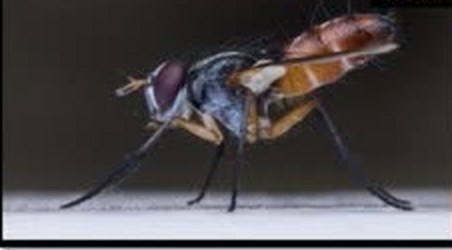
Identify helpful insects, what they eat, and which companion plants can help bring them into the garden.
Companion plants can make a rose bed more welcoming to helpful predators, especially when blooms and herbs are available nearby.
Avoid broad treatments until you know whether the insect is helping, harming, or simply passing through.
Beneficial predatory insects and what they help control
Use these garden allies to reduce pest pressure while supporting a healthier rose bed.
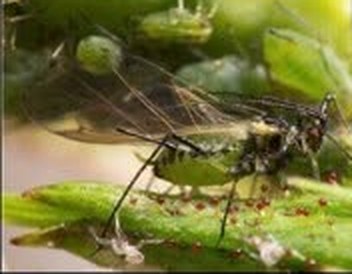
Aphid midges
Helps control
Aphids
Attract or support with
Dill
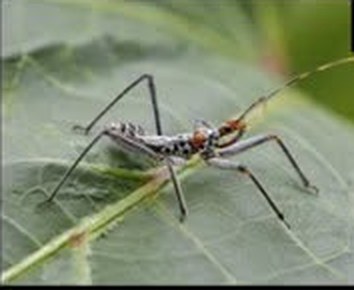
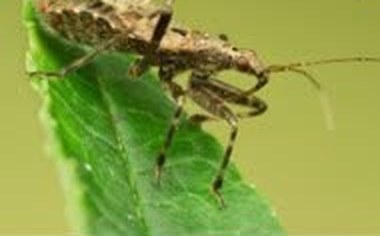
Assassin bug
Helps control
Aphids and beetles
Attract or support with
Queen Anne's lace, daisies, dill, fennel, and alfalfa
Braconid wasp
Helps control
Aphids, caterpillars, beetles, and flies
Attract or support with
Dill and parsley
Damsel bug
Helps control
Aphids and mites
Attract or support with
Caraway, spearmint, and fennel
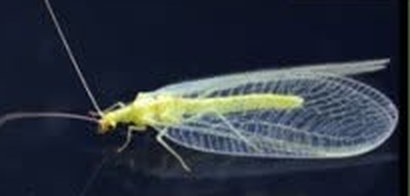
Green lacewing
Helps control
Aphids, whiteflies, and leafhoppers
Attract or support with
Dill, angelica, and coriander
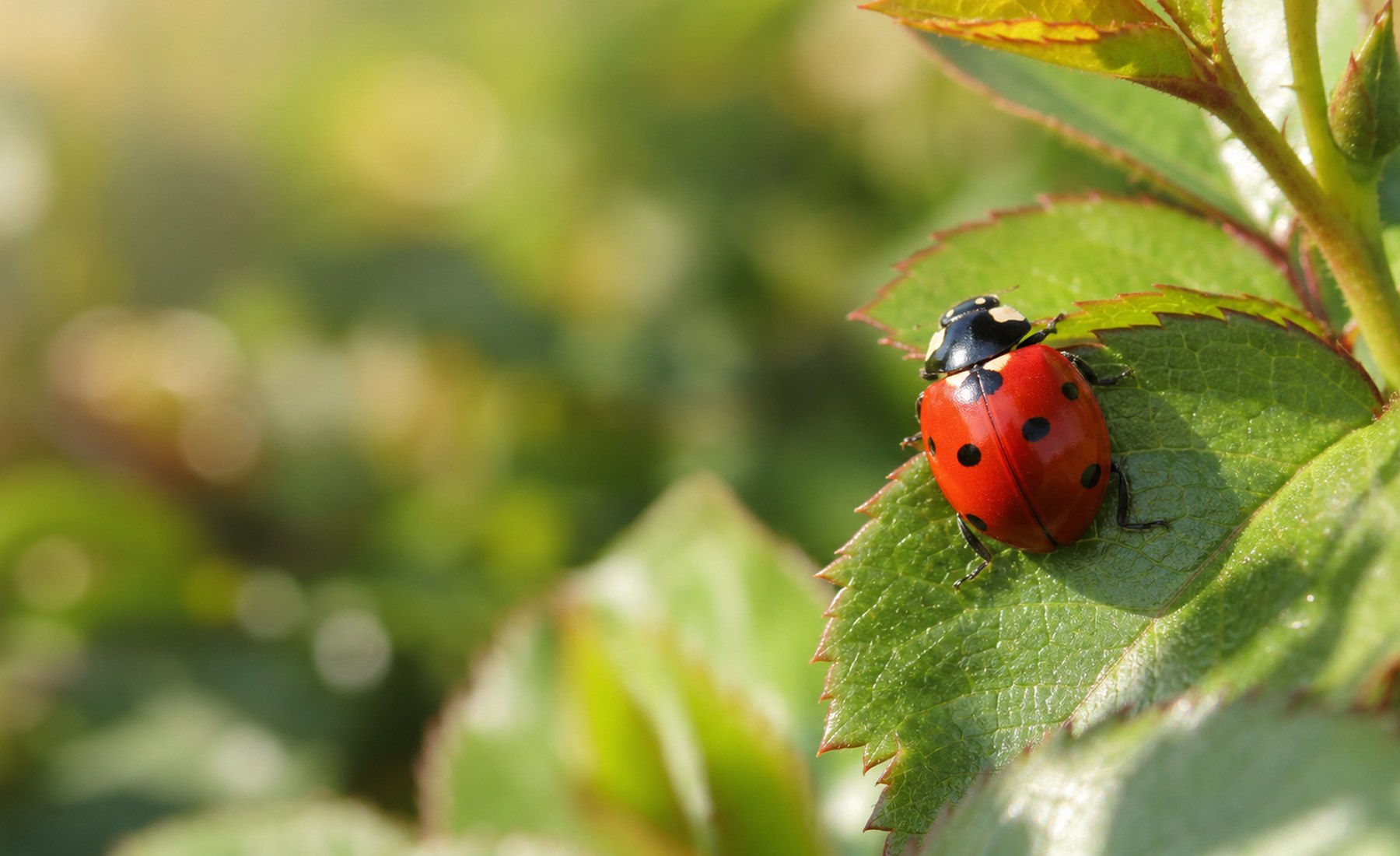
Ladybug
Helps control
Aphids, leafhoppers, and mites
Attract or support with
Dill and fennel
Hoverfly
Helps control
Aphids and scale insects
Attract or support with
Yarrow, dill, or basket of gold
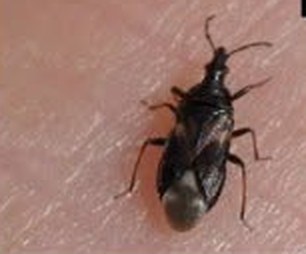
Minute pirate bug
Helps control
Aphids, spider mites, and thrips
Attract or support with
Alfalfa and daisies
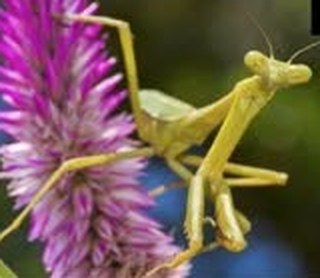
Praying mantis
Helps control
Moths, beetles, and crickets
Attract or support with
Dill and marigolds
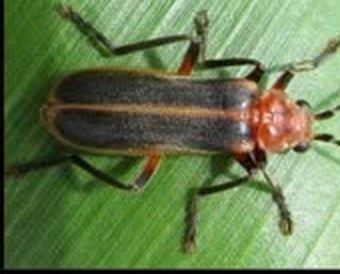
Soldier beetle
Helps control
Aphids
Attract or support with
Perennials
Spider
Helps control
Aphids, caterpillars, and grasshoppers
Attract or support with
Plants within 3 feet so spiders can spin webs
Tachinid fly
Helps control
Japanese beetles and sawflies
Attract or support with
Dill, parsley, clover, and herbs
A practical garden rule
When you see insect activity, pause long enough to decide whether it is helping, harming, or simply passing through. Broad treatments can remove the helpers that keep later pest pressure lower.