Skip to content

Rose Resources

Common rose pests to watch for.

The goal is to spot real damage early, identify the pest correctly, and use the least disruptive response that solves the problem.
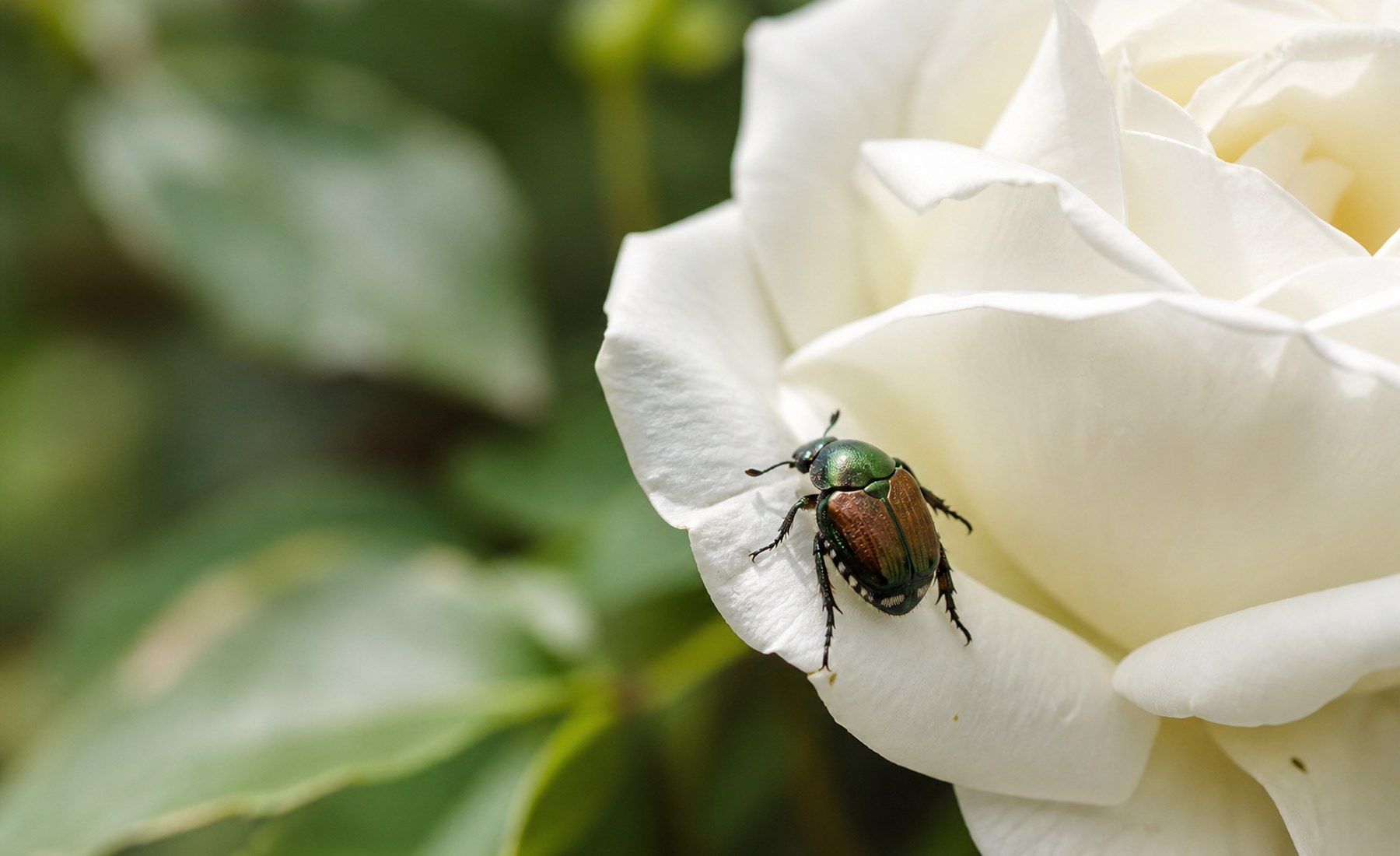
Japanese beetle on a white rose bloom

Garden Guide

Rose disease and pest guide

Match common rose problems with practical organic treatment steps before choosing a response.

For all leaf-related diseases and pests, defoliate affected leaves, then remove dropped leaves and spent blooms from the bed.
If you choose to spray, do it early in the morning or late in the afternoon to reduce the impact to beneficial insects.
Choose a day when the temperatures are between 50 and 90 degrees.
For more organic rose-gardening discussion, visit Organic Rose Gardening on Facebook.

Rose diseases and organic treatments

Leaf-related disease cleanup matters as much as the spray or product choice.
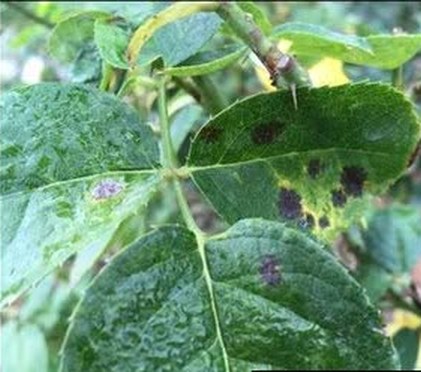
Anthracnose spots on rose leaves

Anthracnose

Organic treatment
  • Avoid fertilizers that are high in nitrogen and phosphorus.
Black spot damage on rose foliage

Black spot and botrytis

Organic treatment
  • Grow tomato, basil, lemon balm, or nasturtiums as companion plants.
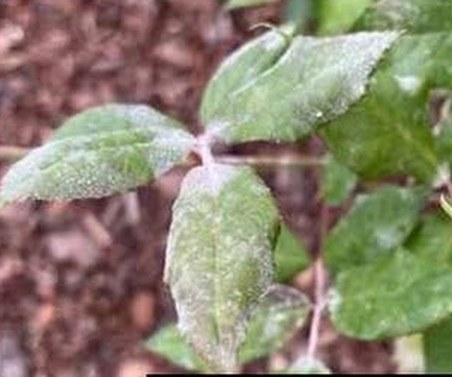
Powdery mildew on rose foliage

Powdery mildew

Organic treatment
  • Treat with a spray mix of 3% hydrogen peroxide (1-2 TBS) plus 1 gallon of water for three days in a row.
  • After the fungus has cleared, use a mix of 1 tsp baking soda plus 1 quart of water weekly.
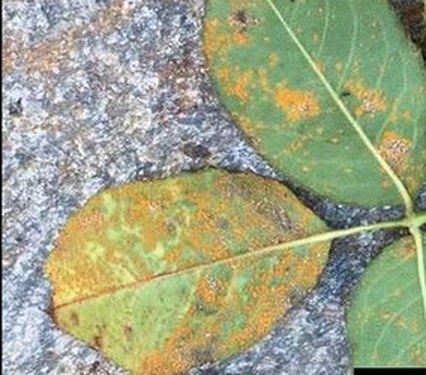
Rust spots on rose leaves

Rust

Organic treatment
  • Defoliate affected leaves and remove dropped leaves from the bed.
  • Keep airflow high and avoid leaving spent blooms or infected foliage around the plant.
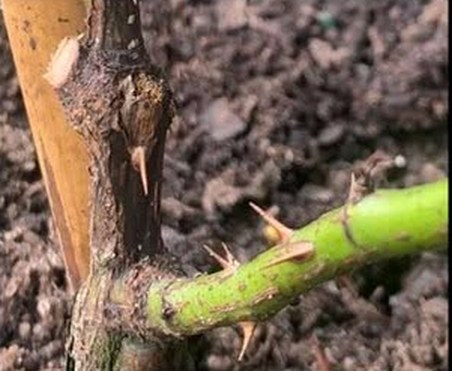
Rose canker or dieback on a rose cane

Rose canker or dieback disease

Organic treatment
  • Remove the black portion with clean pruners.
  • Seal the cane with Bonide Pruning Sealer.
  • Check your soil pH and drainage.

Common rose pests and organic treatments

Use the least disruptive treatment that addresses the pest pressure you are actually seeing.

Deer eating rose blooms

Animals

Organic treatment
  • Use Bobbex Deer or Rose Formula.
Rose cane with cane borer damage

Cane borers

Organic treatment
  • Trim the cane until you see healthy pith.
  • Use Bonide Pruning Sealer.
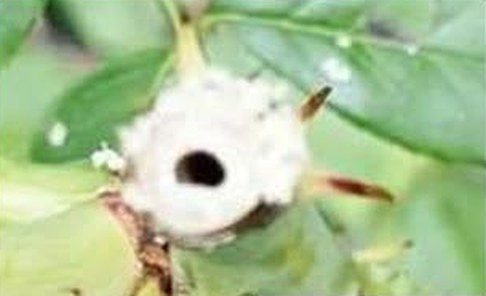
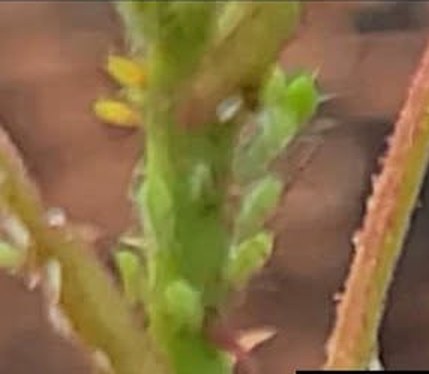
Aphids clustered on new rose growth

Aphids

Organic treatment
  • Remove the population if it becomes too high.
  • Add beneficial insects to eat them.
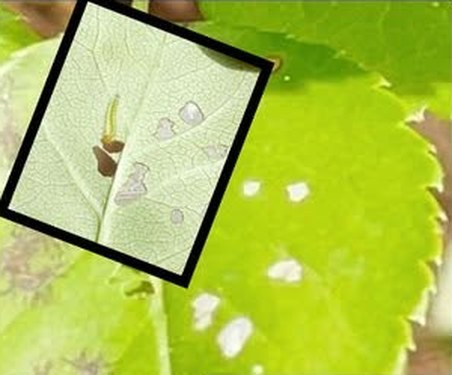
Sawfly larvae damage on a rose leaf

Sawfly larvae

Organic treatment
  • Defoliate affected leaves and consider Bonide products.
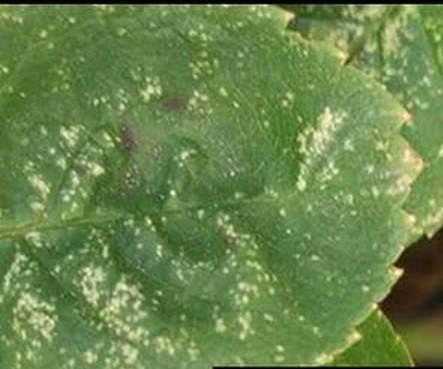
Spider mite stippling on rose foliage

Spider mites

Organic treatment
  • Defoliate affected leaves and consider Bonide products.
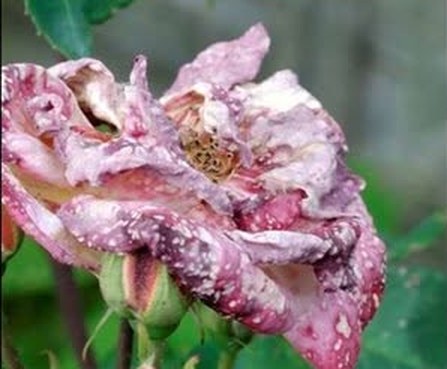
Thrips damage on rose petals

Thrips

Organic treatment
  • After pruning and defoliating, use Bonide Captain Jack's.
  • Use again on buds.
  • Remove blooms as soon as they finish bloom so they do not drop into the bed.
Japanese beetle on a white rose

Japanese beetles

Organic treatment
  • Treat grubs in soil with beneficial nematodes or Bonide grub products.
  • Use netting to protect roses or grow a more desirable plant to draw them away from the rose.
  • Hand pick and drop the insects in soapy water.

A practical garden rule

Treat the plant and the situation, not just the bug. A few pests on vigorous growth may only need monitoring, while fast-spreading damage on stressed plants deserves quicker action.